Hot flushes are one of the most common—and often frustrating—experiences during menopause. For many women, they seem to come out of nowhere, disrupting sleep, daily routines, and overall comfort.
But what if hot flushes aren’t just about hormones?
Emerging research suggests they may be part of a much bigger picture—one that involves the gut, stress levels, lifestyle habits, and overall body balance.
Menopause: More Than Hormones
A recent study published in Menopause examined nearly 700 women in their fifties and found something interesting:
👉 Women with digestive issues—especially constipation—reported more frequent and intense hot flushes
👉 Those with regular digestion experienced milder symptoms
👉 Stress, anxiety, body weight, and physical activity all influenced symptom severity
This points to a powerful idea:
Menopause is not just hormonal—it’s a whole-body experience.
The Gut–Hot Flush Connection
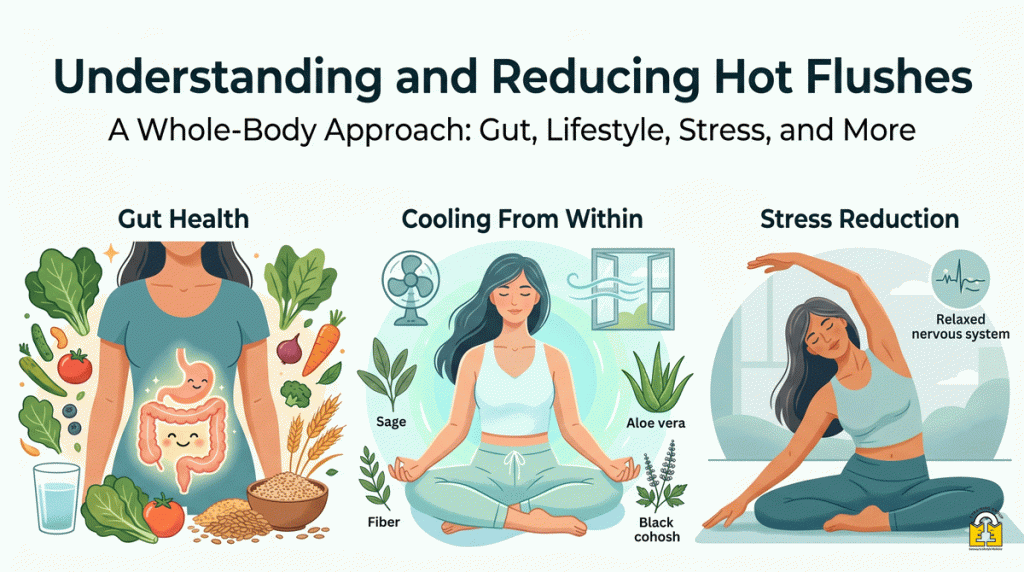
Many women describe the goal as “cooling the body from within.” While not a clinical term, it reflects something real.
When digestion is sluggish and the body is under stress:
- Heat regulation can feel off
- Flushing may become more intense
- Symptoms can feel harder to manage
Supporting gut health may help reduce this internal “pressure.”
What Actually Helps (In Real Life)
🥗 1. Support Digestion First
A fibre-rich diet is key:
- Vegetables
- Fruits
- Whole foods
As we age, digestion becomes less efficient—so intentional choices matter more.
👉 Regular bowel movements are often linked with fewer symptoms
💧 2. Hydration Matters More Than You Think
- Drink enough water daily
- Reduce sugary drinks and excess caffeine
Some women notice:
➡️ Sugar spikes = more night sweats
➡️ Stable blood sugar = more stable symptoms
🦠 3. Gut Support (Probiotics & Habits)
- Daily probiotics
- Chewing food thoroughly
- Gentle approaches for constipation (not harsh fixes)
Common natural supports:
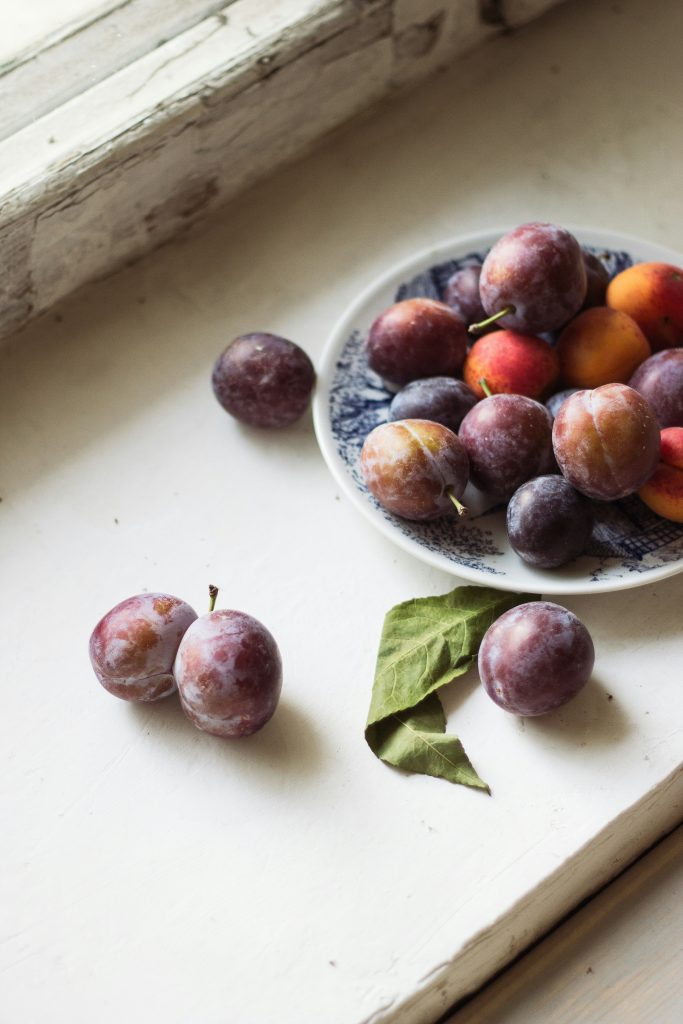
- Prunes
- Leafy greens
- Magnesium (gentle forms)
- Herbal teas (used mindfully)
🌿 Anecdotal Approaches People Explore
Plant-Based & Traditional Supports
Frequently mentioned options include:
- Red clover
- Black cohosh (short-term use)
- Evening primrose oil
- Black seed oil
- Wild yam (cream or tincture)
- Sage (tea or tincture)
These are often used as part of a broader lifestyle approach—not quick fixes.
🥒 Cooling Foods & Drinks
Many women naturally gravitate toward:
- Cucumber
- Watermelon
- Aloe-based drinks
- Lemon + mint blends
👉 Fresh, hydrating foods seem to feel more supportive than overly cold or processed options
🌙 Night-Time Relief Strategies
Hot flushes often hit hardest at night.
Simple but effective adjustments:
- Keep the room cool
- Use a fan
- Take a cool shower before bed
- Wear light, breathable clothing
- Avoid overheating (even small things like socks)
Breathing techniques like cooling breath (Sitali breathing) may also help calm the body quickly.
⚖️ Identify Your Personal Triggers
Triggers vary from person to person.
Common ones include:
- Dairy (for some)
- Sugar
- Caffeine
- Stress
👉 Tracking patterns can be one of the most powerful tools
🧠 The Stress Connection
The study highlighted something important:
Stress directly impacts symptom intensity.
Supporting your nervous system can help:
- Gentle movement
- Daily routines
- Quiet time or relaxation practices
💡 The Big Takeaway
There’s no single fix for hot flushes.
But patterns are clear:
✔ Support your gut
✔ Stabilise your nutrition
✔ Stay hydrated
✔ Reduce stress
✔ Make small, consistent lifestyle changes
Hot flushes aren’t random—they’re signals.
When you support your body as a whole, symptoms often become more manageable.
Disclaimer
This article is for educational purposes only and is not medical advice. Always consult a qualified healthcare professional before starting new supplements or treatments.